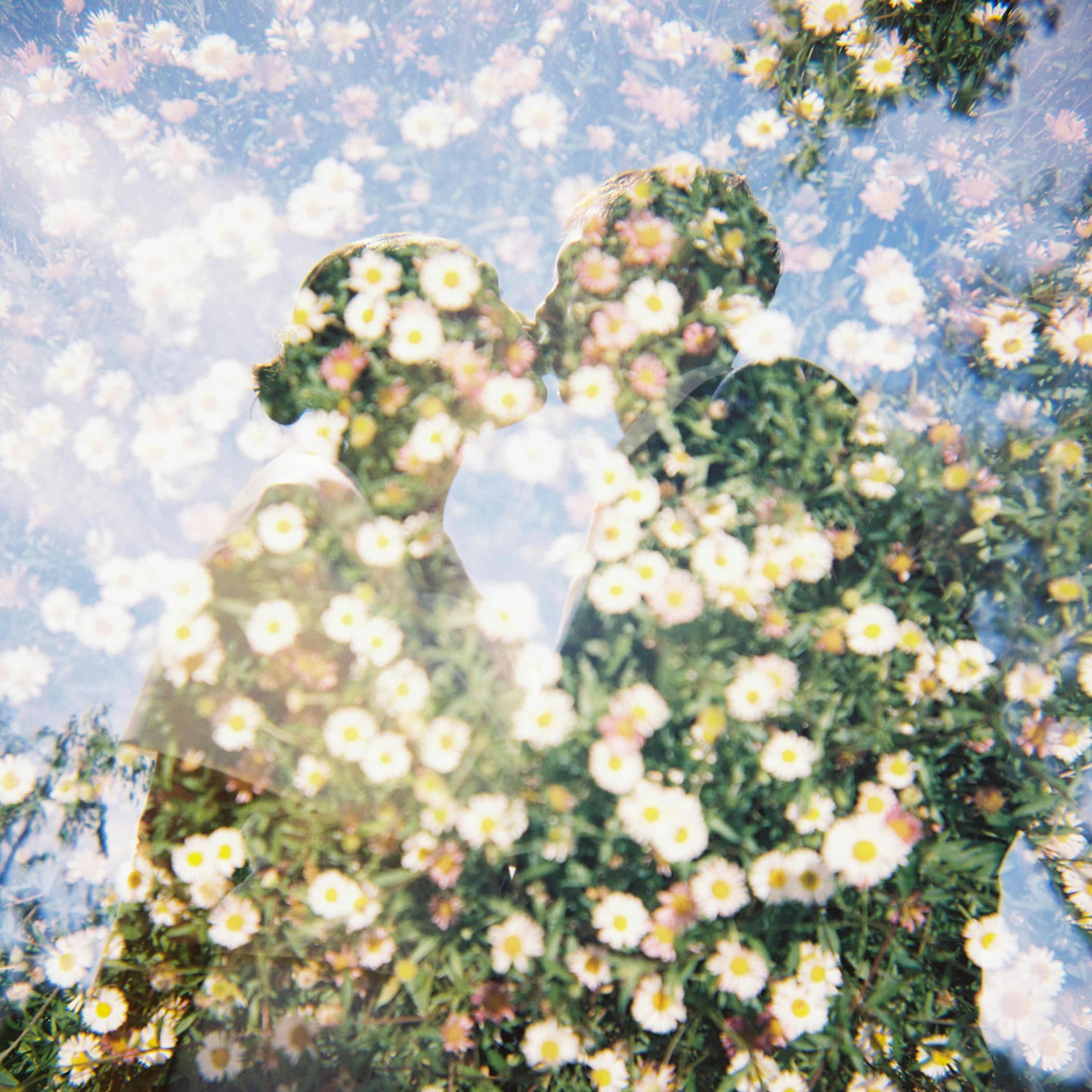
How Shooting Film Can Save You from Burnout
If you've shot for long enough, you've felt it. That end of the season fatigue where the enjoyment of shooting dissipates. When you’re staring at 5,000 RAW files from a single weekend, the art of photography can start to feel like a total grind.
We talk to a lot of photographers who have hit this wall. Everything is technically perfect with their work but creatively empty. And we're learning that the solution isn't a new mirrorless body or a faster lens but an older camera and a roll of 36 exposures. Here is how embracing film can revitalize the interest in your craft.

1. Skin Tones and Colors
Most photographers wrestle with their post processing in an effort to achieve the perfect tones. Spending hours tweaking colors can play a real role on your long term excitement for the job. Many photographers we speak with have spent small fortunes on different preset packs and mentor sessions in an attempt to achieve the perfect look.
One of the many beauties of film is it's built in tones. Everything looks lovely out of the box when you're shooting portraits with Portra 400 or 800. And now that the obstacle of editing is removed, you're free to focus on the actual photos vs the backend. What was once hours of editing becomes minutes, and it's even better than the digital.

2. Reclaiming the Moment
In a digital age, less is truly more. We take 20 frames of a hug to make sure one is sharp. This creates a mental clutter that is exhausting. Decision fatigue becomes a real thing.
- The Film Shift: When every click costs $1.00, you stop being a button-pusher and start being an observer.
- The Revitalization: You find yourself waiting. You watch the light, you wait for the breath, and you click once. That singular focus brings back the excitement that we often lose when we have infinite storage.

3. Ending the Editing Nightmare
Burnout is rarely caused by the shooting; it’s caused by the screen time. The Shadow Slider and HSL Panel can become a prison.
- The Film Shift: Film is "pre-edited." The chemistry of Kodak Portra has already done the heavy lifting for you.
- The Revitalization: When you get your scans back from a professional lab, they are 95% finished. You aren't "fixing" photos anymore; you're just enjoying them. This hands off approach to the technical side allows your brain to rest and recover.
4. Intentional Imperfection
Digital burnout often stems from the pressure to be "flawless." But film embraces the light leak, the grain, and the slight soft-focus.
- The Concept: Film gives you permission to be a human again. It reminds you that a photo is a feeling, not a resolution test.
- The Result: Once you stop worrying about "tack-sharp" eyes, your creative brain is free to worry about atmosphere and soul.

Where to Start
Find an inexpensive 35mm camera and a roll of 35mm, maybe Kodak Gold 200 or Portra 400. Once you have that develop the habit of keeping your film camera for your personal life first. Shoot your kids, your dog, or your morning coffee. Find enjoyment in the act of shooting something again where curiosity is driving the act of creation.
- The "One Roll" Rule: Bring one film camera to your next professional gig, but only commit to shooting one roll. No pressure, no "deliverables"—just play.
- Embrace the Cost: Think of the cost of film not as an expense, but as "Creative Therapy." It’s a lot cheaper than a mid-life crisis or a career change.
The Bottom Line: If you find yourself dragging your feet to your gear bag, put the digital body away for a weekend. Pick up a roll of Portra, slow down, and remember what it feels like to actually see again.
____
What’s Next for Your Business?
-Check out our other guides to level up your photography workflow:
- How to Price Your Photography Packages for Profit (and Fewer Ghosted Leads)
- How to build a Photography Portfolio that attracts your dream clients
All images shot by Tyler Branch